Smartphone vs. Camera for Everyday Visual Storytelling: A Practical Comparison
There is a camera in your pocket and, most likely, another one sitting in a bag or a drawer. Both can make a photograph you would be glad to have. The useful question is not which one is better, because that answer changes with the weather, the subject, and how much patience you have on a given afternoon. It is which one you will actually reach for when the picture appears — and whether that choice gives you the result you had in mind.
What follows is a working comparison, the kind you arrive at after carrying both for a few years and noticing which one keeps letting you down in which situations.
Start with the story, not the sensor
Everyday visual storytelling is a modest genre. It is the walk to work, a friend's kitchen at dusk, a market stall, a rain-streaked window, a dog asleep in a rectangle of light. Those situations ask three things of a tool: that it is with you, that it responds quickly, and that the file later resembles what you saw.
Phones win the first. Cameras win the third. The second is a draw that depends entirely on how well you know your own gear. Most disappointing photographs come from a mismatch on one of those three points, not from a lack of megapixels.
Convenience: the two-second rule
Give yourself two seconds from noticing a scene to recording it. A phone clears that bar easily. It is already unlocked, already warm, already in a hand that knows where the shutter is. A camera in a bag, wearing a lens cap, with the power switch under your thumb, usually does not — and in those two seconds the light shifts or the person walks on.
Convenience is more than portability. It covers:
- Availability — whether the device is on you without planning.
- Readiness — time from pocket to first frame.
- One-handed operation — useful on a busy pavement or holding an umbrella.
- Sharing speed — how quickly a picture reaches the person who wants it.
- Upkeep — one charger, one cable, one thing to remember.
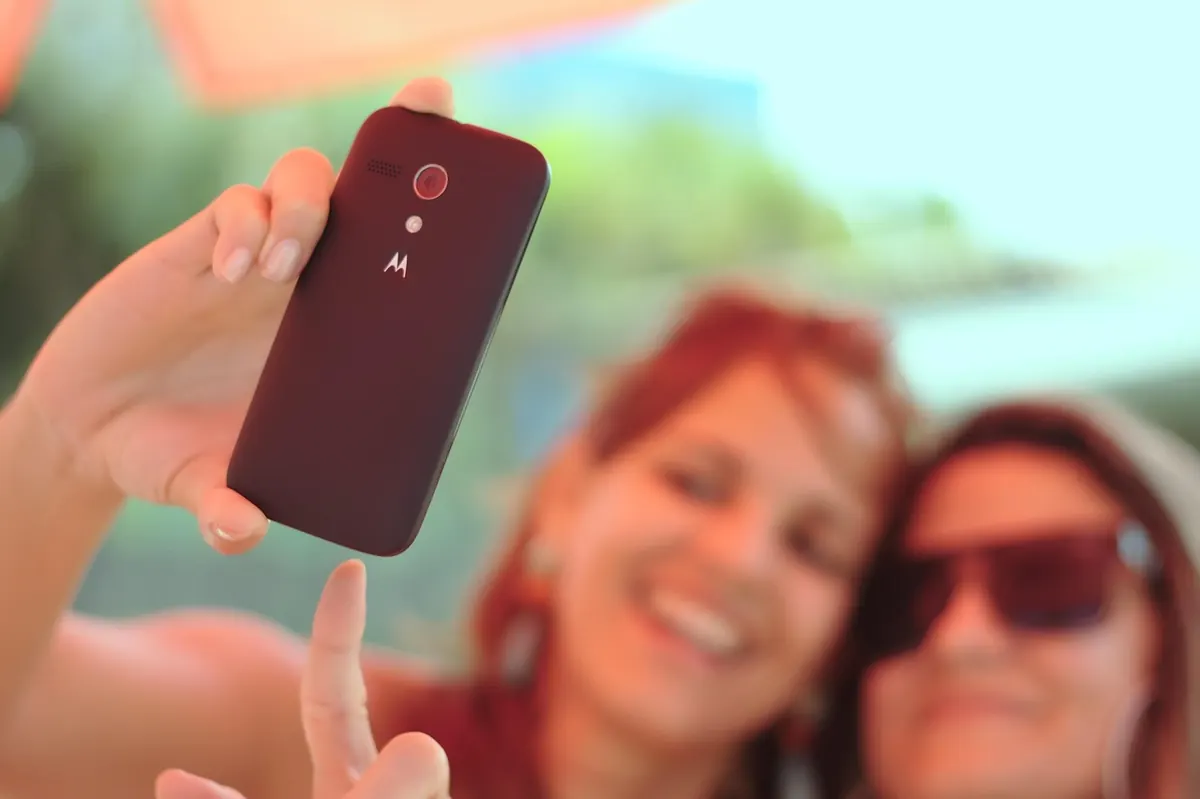
The one upkeep habit worth stealing: wipe the phone lens on your sleeve before you shoot. A smeared phone lens produces a soft, hazy, low-contrast image that is easy to blame on the hardware and almost always isn't the hardware's fault.
Control: where a dedicated camera earns its keep
Control is not about having more menu options. It is about changing the three things that matter — exposure, focus, and framing — without looking away from the subject. A camera with a real exposure-compensation dial lets you rescue a backlit face in half a second. A camera with a marked focus ring lets you set the distance by feel before the moment arrives, which is how street photographers have worked for decades.
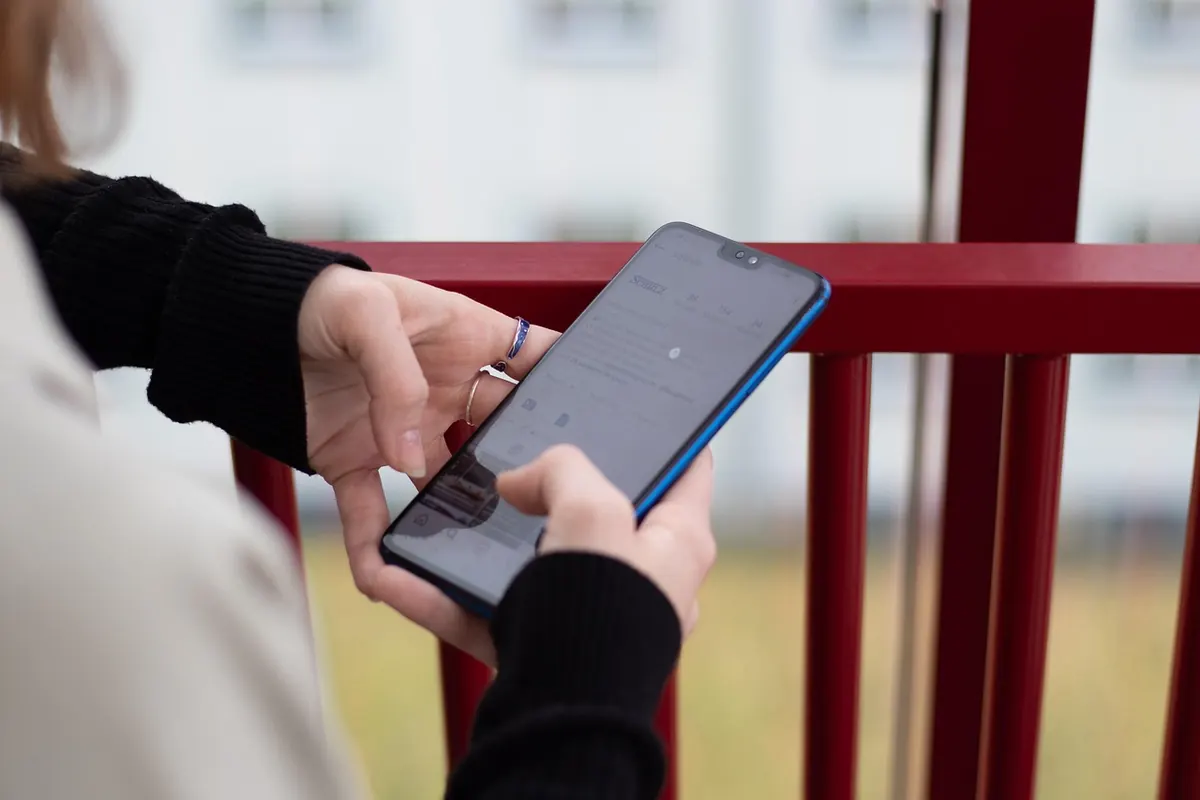
Phones have improved here, and their pro modes now expose shutter speed, ISO, and focus reasonably well. But the interaction is still glass. You tap, you hold, you drag a slider, and by then the light has moved. Two habits help: long-press to lock focus and exposure before you recompose, and adjust the exposure slider before you press the shutter rather than hoping to fix it later. Shadow recovery on a small sensor is limited.
The best camera setting is the one you can change without taking your eye off the scene.
Quality beyond the megapixel number
Two numbers explain most of the difference. The first is sensor area: a larger sensor collects more light, so shadows stay clean, colours hold together at dusk, and files tolerate a bit of lifting in editing. The second is the glass in front of it, which on a camera can be swapped for something faster or longer as the situation demands.
Phones compensate with computation. Night modes stack several frames to reduce noise, and the results can be genuinely good — for still subjects. A friend talking at a dinner table, a cyclist passing a lit shop window, a child who will not hold still: these are where the stacking starts to smear detail or pick an odd moment.
There is also the question of latitude. A camera's raw file gives you room to pull back a blown sky or lift a face out of shadow. Some phones offer raw capture in their pro modes, and it is worth using, but the smaller file has less to give. Meanwhile, automatic HDR on phones can flatten a scene that was interesting precisely because it was contrasty. If a sunset looks wrong on screen, try turning HDR off and exposing for the highlights.
Workflow: the unglamorous half
This is the part people forget when comparing specs. A phone's workflow is: shoot, swipe, send. It is nearly frictionless, and that frictionlessness changes what you photograph. You take more risks because nothing costs anything.
A camera's workflow has more steps, and each step is a chance to stop bothering. A simple routine keeps it moving:
- Import the card the same day, into a folder named by date.
- Cull hard before editing — keep the keepers, delete the near-duplicates.
- Edit in one pass with a consistent look, rather than revisiting images for weeks.
- Export a web-sized set for sharing and back up the originals somewhere separate.
Transferring from camera to phone over Wi-Fi works, but slowly and unreliably in crowded places. A small card reader in your bag is the dependable route when you want a frame on your phone within a minute.
Two habits worth borrowing
Camera shooters can learn from the phone: shoot more frames, share before the moment goes cold, and stop treating the archive as a vault. Phone shooters can learn from the camera: slow down for two seconds before pressing the shutter, set exposure deliberately, hold the device with both hands and your elbows in, and turn on the grid so horizons sit level.
Both benefit from the same discipline — deciding what the picture is about before raising the device. A photograph of a market is not about the market; it is about the hands weighing oranges, or the puddle reflecting the awning.
How to choose on the day
If the plan is loose — a walk, a meal, a commute with no agenda — take the phone and give it your full attention. It is the tool you will use, and using it well beats carrying something better that stays in the bag.
If you know what you are chasing, take the camera. Low light, fast movement, shallow depth of field, a scene with extreme contrast, or anything you intend to print: those are the conditions where the extra control and the larger file pay you back for the inconvenience. If you are unsure, take the camera with one lens and leave the rest at home. A single focal length forces you to move, and moving is where the pictures are.
The comparison resolves differently for everyone, and it can change by the season. What matters is knowing the trade you are making each time you pick one up.
Photo: wilkernet / Pixabay
You Might Also Like
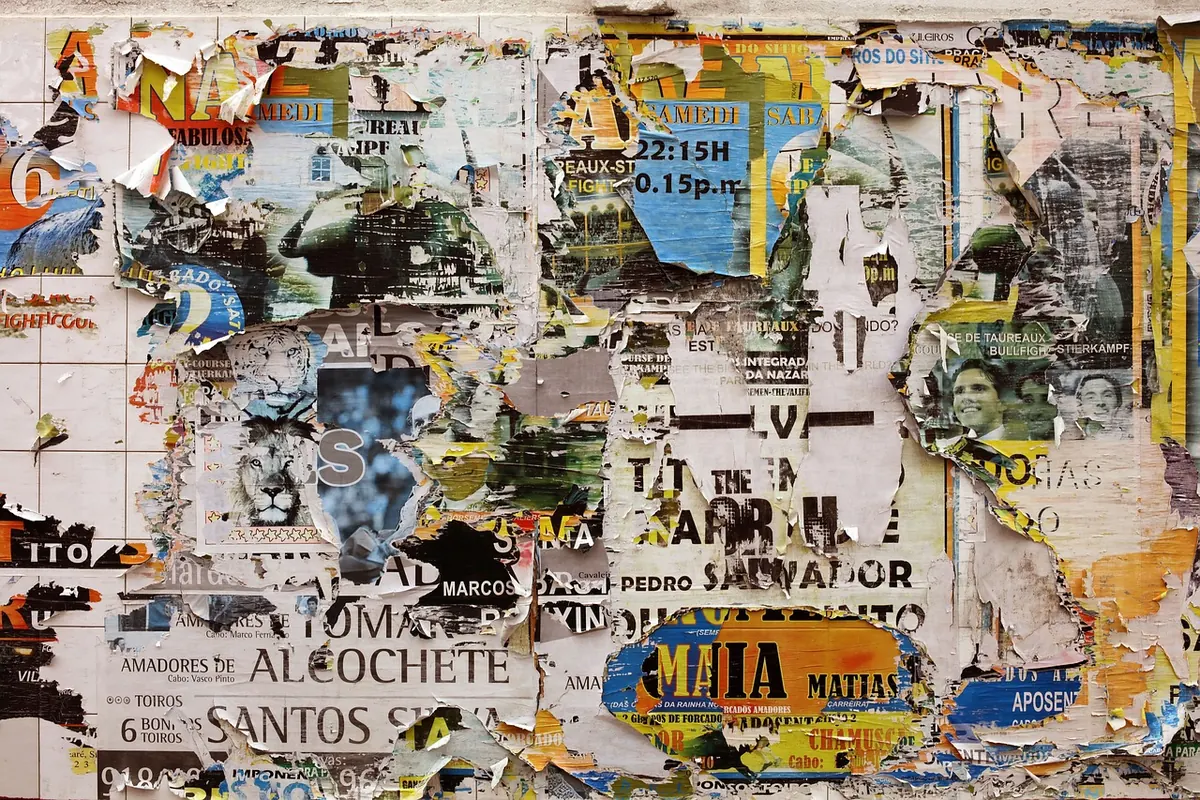
Street posters are the least curated layer of a city’s visual life — a record of who speaks, how loudly, in what typeface, and to whom.
From municipal light displays to shop windows and ad campaigns, seasonal celebrations redraw the visual codes of public space. A guide to reading the change, and to using it well.