Seven Signs You’re Consuming Images on Autopilot and How to Wake Up
Seven Signs You’re Consuming Images on Autopilot and How to Wake Up
Think back over the last hour. How many images crossed your eyes? The lock screen, three thumbnails on a news site, a dozen photographs in a group chat, forty more in a scroll you don’t quite remember starting. Most of us would guess a handful. The real number is usually in the hundreds, and almost none of them got a second of real looking.
That isn’t a failure of taste or discipline. Images are made to be skimmed, and the feeds that deliver them are built to keep the skimming going. But seeing a lot and looking at anything are different skills, and the gap between them widens quietly. What follows are seven signs that you’ve slipped into autopilot, grouped into four habits worth recognising, and a few plain ways to come back.
Looking Without Seeing
Sign one: You can’t describe the last image you saw
Try it now. Close your eyes and describe the final picture that passed in front of you — what was in it, not how it made you feel. Most people can produce a colour and a mood: something bright, something sad, someone’s kitchen. The subject slips away. That’s the first sign. You weren’t looking; you were receiving. A quick test: name three objects in the frame. If you can’t, the image never reached the part of you that pays attention.
This happens with almost any kind of image. You might remember that the last thing you saw was an advertisement, but not what it was selling. You might remember a friend’s holiday photo as “beach,” but not the umbrella, the wet sand, the child refusing to look at the camera. The image was there, and then it was gone, and you were never really asked to hold it. That is the difference between exposure and attention. Exposure is constant. Attention is a choice you make with your eyes and then with your words.
Sign two: Your reaction arrives before your looking does
The small laugh, the flare of envy, the quiet “hm” of approval — these land before you’ve registered what you’re reacting to. That speed is trained, not natural. A photograph has been reduced to a trigger, and triggers don’t need detail. Try reversing the order. Describe first, feel second. Woman, red coat, snow, cropped at the knees. Then decide what you think. It feels clumsy for about three days, and then it becomes the way you look.
You can see this most clearly in group chats. Someone sends a photo of a dog in a party hat, and before you have noticed that the dog is old, that the hat is crooked, that the room looks like a vet clinic, you have already sent the laughing emoji. The reaction was ready before the image was. That is efficient, and it is also a kind of blindness. The picture becomes a cue for a feeling rather than a thing to be seen. Reversing the order is simple, but it is not easy: name what is there, then let the feeling arrive. The feeling will still come. It will just have something to stand on.
The Comparison Habit
Sign three: Your surroundings get measured against edited frames
You see a kitchen and think about your kitchen. You see someone’s desk, arms, bookshelf, and something in you starts accounting. Comparison isn’t vanity; it’s pattern-matching, and it runs in the background whether you invite it or not. The trouble is the standard: a styled, lit, carefully selected frame set against an ordinary Tuesday. When the accounting starts, ask one question — what is outside this frame? — and then actually answer it. Crumbs, cables, a bin, a person standing just off the edge.
The frame is not a lie, exactly. It is a selection. A photograph of a calm kitchen may have been taken in a calm kitchen, but the calm was arranged, lit, and cropped. The dishes were moved. The bin was out of shot. The person taking the photo stood in the one corner that made the room look larger. This is not a scandal. It is how photographs work. But when you compare your whole room to someone else’s best corner, you are measuring your life against a composition. The question “what is outside this frame?” restores scale. It turns an impossible standard back into a picture.
Sign four: You like things without being able to say why
“Love this.” Save. Next. The reaction is real, but it never becomes language, and taste that never becomes language stays borrowed. Wine tasters aren’t more sensitive than the rest of us; they simply have words for what they notice. Borrow their method. After you save an image, write one sentence about the light, the crop, or the colour. Not a review. A note. After twenty notes you’ll start to see your own preferences in them, and they’ll be more specific than “moody.”
This is where taste becomes yours. You might save ten interiors and discover that what you like is not “minimalism” but low afternoon light on pale wood. You might save a dozen portraits and find that the ones you return to are close crops with soft shadows, not wide shots. You might notice that the images you love most are slightly off-centre, or full of dark green, or empty in the middle. Without notes, these are just a vague pull. With notes, they become a vocabulary. And a vocabulary lets you look for what you actually like instead of waiting for the feed to tell you.
Storage Instead of Looking
Sign five: Your saves outnumber your second looks
There’s a folder somewhere with four thousand images in it, and you’ve looked at maybe twelve of them twice. Saving feels like attention, but it’s usually a deferral — a promise to look later that later never collects. The screenshot is the same. So is the camera roll. You see something, you keep it, and the keeping becomes a substitute for the looking. A folder is not a practice. It is a shelf.
This is not a reason to delete everything. It is a reason to return. Pick one saved image a day and look at it for ten seconds. Not to post it, not to use it, not to decide whether it is useful. Just to look. You will be surprised how many saved images are less interesting on the second look, and how many are more interesting. The first look is often about the promise of the image: the idea of the kitchen, the idea of the outfit, the idea of the place. The second look is about the image itself. That is where the real seeing starts.
The Speed Habit
Sign six: You remember the caption before the picture
The text gets there first. “Unreal sunrise.” “Dream kitchen.” “Big news.” “This says everything.” You leave with the phrase, not the frame. The caption has done the looking for you, and it has also told you how to feel. This is convenient, and it is a kind of theft. The image is no longer the thing you are consuming; the explanation is. Try covering the caption, looking for five seconds, and then reading. Ask one question: what did I see that the caption didn’t mention?
Sometimes the caption is doing necessary work. It might tell you where the photo was taken, who is in it, or why it matters. But even then, the image has details the words leave out: the awkward hand, the tired eyes, the reflection in the window, the colour of the sky just before rain. Those details are often the reason the photograph exists. If you skip straight to the caption, you are reading the label instead of looking at the thing. Covering the caption is a small act of resistance. It gives the image a chance to speak before someone else speaks for it.
Sign seven: You scroll past images faster than you can blink
Your thumb has a rhythm. A photograph appears for less than a second, and then it is replaced. You could not name the subject, the colours, or the composition. That is not looking. That is a conveyor belt. The speed is not an accident; it is the design. The feed rewards the next image, not the last one. But you can interrupt the rhythm. Let one image per scroll stop you. Take three breaths. Name three things. Then continue. It will feel slow. That is the point.
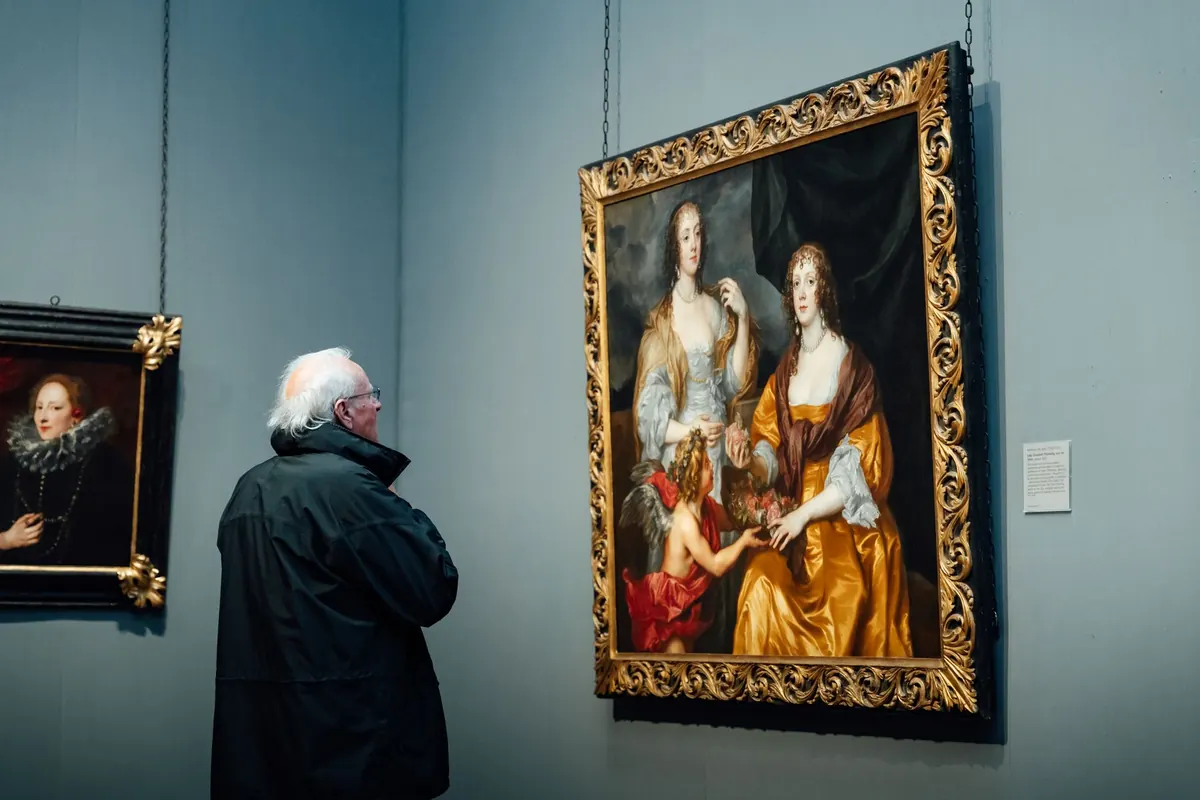
You do not have to do this with every image, and you should not try. The goal is not to turn every scroll into a museum visit. The goal is to keep the skill alive. One deliberate look in a hundred skims is enough to remind your eyes what they are for. Over time, that one look changes the way you move through the rest. You start to notice when you are being rushed. You start to notice what you actually want to see.
What Autopilot Costs
The cost is not dramatic. You do not wake up one morning unable to see. The cost is quieter: memory dulls, visual taste becomes reactive, comparison runs in the background, and the world starts to look like wallpaper. Images become either triggers or furniture. You stop asking why a photograph works. You stop noticing the difference between a real room and a styled corner. You stop remembering what you looked at.
This matters beyond aesthetics. Attention is a general skill. If you practise skimming all day, you get better at skimming. If you practise looking, you get better at looking. That affects how you notice a change in a child’s face, a leak under the sink, a good photograph, a bad design, a beautiful ordinary thing. Autopilot is not a moral failure. It is a habit. And habits can be interrupted.
Seeing is not the same as being shown.
How to Wake Up
You do not need to quit images or retreat to a cabin. You need a few small practices that make looking a choice again. Pick one. Do it for a week. Then pick another.
- Describe before you react. Name three things in the image before you decide how you feel about it. Subject, colour, shape. Then let the feeling arrive.
- Use the three-object test. When an image passes, try to name three objects in it. If you can’t, you weren’t looking. That is information, not a judgement.
- Look at one image twice. Save one image a day and return to it once. Look for what you missed the first time: a reflection, a shadow, a hand, a mistake.
- Write one note per save. One sentence about light, colour, crop, or composition. Not a review. A note. Let your taste become specific.
- Ask what is outside the frame. When comparison starts, answer the question. Crumbs, cables, a bin, a person standing just off the edge.
- Do a slow scroll. Once a day, let one image stop you. Three breaths, three details, then continue. Keep the skill alive.
A Week of Waking Up
If you want a simple structure, try this. It is not a challenge. It is a way of reminding yourself that images are not just content.
- Day one: Describe the last image you saw before bed. Three objects, one colour, one feeling.
- Day two: Cover the caption on one image and look for five seconds before reading.
- Day three: Write one note about an image you save. “Low light, deep green, soft edge.” Keep it short.
- Day four: Ask “what is outside this frame?” about one image that makes you compare.
- Day five: Return to one saved image and look at it for ten seconds. Notice what changed.
- Day six: Do one slow scroll. Stop at one image. Three breaths, three details.
- Day seven: Look around your own room and name three things you would crop out. Then name one thing you would keep.
At the end of the week, you may not feel transformed. That is fine. The point is not to see more. The point is to see what is there. Autopilot is comfortable because it asks nothing of you. Looking asks a little. It asks you to slow down, to describe, to notice, and to let the image be more than a trigger. That small shift is enough to wake you up.
Photo: dmncwndrlch / Pixabay

You Might Also Like
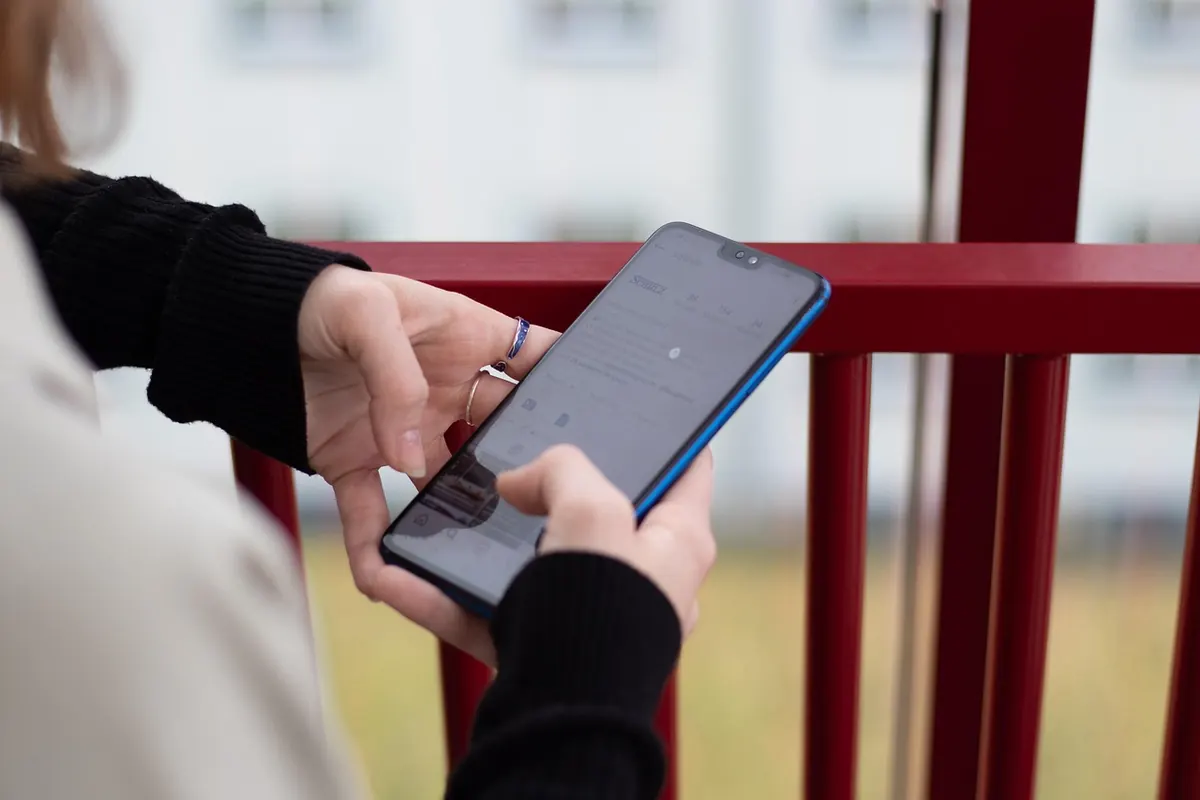
A practical look at when the phone in your pocket beats the camera in your bag for daily visual storytelling — and when it quietly falls short.
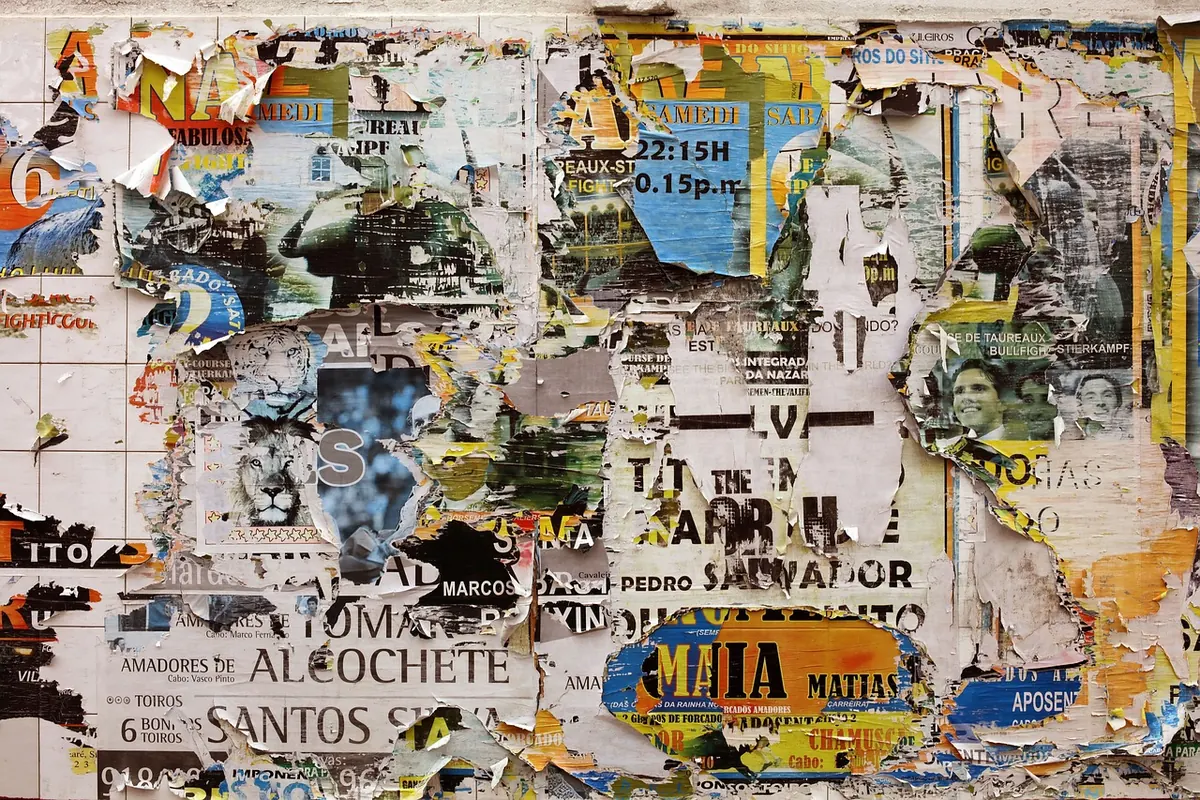
Street posters are the least curated layer of a city’s visual life — a record of who speaks, how loudly, in what typeface, and to whom.